
As global industries expand and evolve, the demand for efficient, sustainable, and comfortable accommodations for workers has become increasingly critical. Labor camps, often located in remote areas, serve as temporary housing solutions for workers in sectors such as construction, mining, and oil and gas. Traditional labor camp constructions frequently fall short in terms of comfort and functionality, leading to dissatisfaction and decreased productivity among workers. However, container homes, particularly those designed and manufactured by Lida Group, represent a transformative approach to worker accommodation. This article explores the future of container homes in labor camps, highlighting their benefits, the role of Lida Group, and the impact on worker welfare.
Understanding Container Homes
What Are Container Homes?
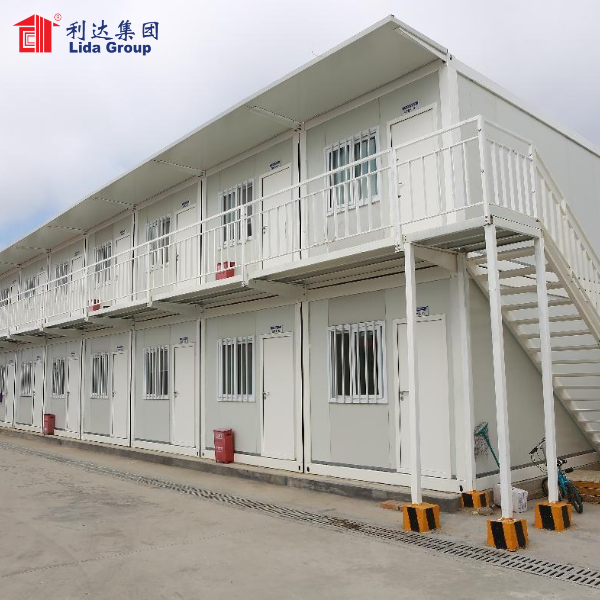
Container homes are structures made from repurposed shipping containers. Originally designed for transporting goods across oceans, these containers can be transformed into livable spaces through modifications such as insulation, windows, doors, and plumbing. Container homes are versatile and can be configured for various uses, including single-family residences, multi-unit housing, and labor camps.
Key Features of Container Homes
- Durability: Shipping containers are built to withstand harsh environmental conditions, making them resilient structures capable of enduring extreme weather.
- Portability: Container homes can be easily transported, allowing for flexibility in relocating labor camps as project needs change.
- Cost-Effectiveness: The use of repurposed materials can significantly reduce construction costs compared to traditional building methods.
- Sustainability: Repurposing shipping containers contributes to sustainability by reducing waste and promoting environmentally friendly construction practices.
- Customizability: Container homes can be designed to meet specific needs, offering various layouts and amenities to enhance worker living conditions.
The Importance of Worker Accommodation
Worker Welfare and Productivity
Worker accommodation is essential for maintaining the well-being and productivity of employees, particularly in industries requiring long hours in remote locations. Poor living conditions can lead to health issues, dissatisfaction, and high turnover rates, all of which can adversely affect project timelines and costs.
Challenges in Traditional Labor Camps
- Inadequate Facilities: Many traditional labor camps lack basic amenities such as proper sanitation, kitchens, and recreational areas, resulting in uncomfortable living conditions.
- Time-Consuming Construction: Traditional construction methods often lead to significant delays in establishing worker accommodations, affecting overall project timelines.
- High Costs: Inefficiencies in conventional construction can result in budget overruns, limiting the resources available for improving worker amenities.
- Logistical Complications: Transporting materials and labor to remote locations can complicate the construction process and increase costs.
The Advantages of Container Homes in Labor Camps
1. Speed of Construction
One of the most significant advantages of container homes is the speed at which they can be constructed:
- Quick Assembly: Since container homes are prefabricated, they can be rapidly assembled on-site, allowing workers to move in sooner.
- Concurrent Processes: While site preparation occurs, containers can be modified and outfitted in a factory setting, significantly reducing overall project timelines.
2. Cost Efficiency
Container homes can be more cost-effective than traditional labor camp constructions:
- Lower Labor Costs: The streamlined construction process requires fewer labor hours, leading to lower overall expenses.
- Reduced Material Waste: The use of repurposed containers minimizes the need for new materials, resulting in cost savings.
3. Enhanced Quality Control
Container homes constructed by Lida Group benefit from rigorous quality control measures:
- Factory Production: Building in a controlled environment allows for better quality assurance, ensuring that each container meets safety and construction standards.
- Standardized Processes: The modular nature of container homes allows for standardized building practices, resulting in consistent quality across all units.
4. Improved Living Conditions
Container homes can significantly enhance the quality of life for workers:
- Comfortable Accommodations: Lida Group designs container homes with private sleeping quarters, kitchens, and bathrooms to provide comfortable living spaces.
- Modern Amenities: Incorporating features such as air conditioning, heating, and recreational areas can further improve the living experience for workers.
5. Sustainability
As environmental concerns continue to grow, container homes offer several key sustainability benefits:
- Recycling Materials: By repurposing shipping containers, these homes reduce the need for new materials and lower the environmental impact of construction.
- Energy Efficiency: Container homes can be designed to incorporate energy-efficient systems, such as solar panels and high-quality insulation, reducing energy consumption.
Lida Group: Leading the Way in Container Home Solutions
Company Overview
Lida Group is a global leader in modular construction, specializing in the design and manufacture of container homes for various applications, including labor camps. With a commitment to quality, innovation, and sustainability, Lida Group has established itself as a pioneer in providing customized housing solutions that enhance worker welfare.
Innovative Design Philosophy
Lida Group’s design philosophy focuses on creating container homes that are functional, aesthetically pleasing, and conducive to a positive living experience:
- User-Centric Approach: By engaging with clients and understanding their specific requirements, Lida Group develops tailored designs that meet the needs of the workforce.
- Sustainable Practices: The company prioritizes eco-friendly materials and energy-efficient systems, aligning its practices with global sustainability goals.
Advanced Manufacturing Techniques
Lida Group employs cutting-edge technology in its manufacturing process:
- Precision Engineering: Advanced machinery ensures high-quality construction and efficient production, minimizing errors and enhancing overall quality.
- Modular Design: The modular nature of Lida Group’s container homes allows for flexibility in design and easy expansion, catering to changing workforce needs.
Case Studies: Successful Container Home Projects by Lida Group
Case Study 1: Construction Site Labor Camp
Challenge: A construction company needed to accommodate a workforce of over 200 employees at a remote site, requiring quick and efficient housing solutions.
Solution: Lida Group designed and manufactured a modular labor camp consisting of several container homes, including sleeping quarters, dining facilities, and recreational areas.
Outcome: The container homes were completed ahead of schedule, providing comfortable living conditions for workers. The project’s timely execution and quality accommodations led to increased worker satisfaction and productivity.
Case Study 2: Oil Field Operations
Challenge: An oil company sought a sustainable housing solution for its workforce stationed in a remote location for an extended period.
Solution: Lida Group developed a series of eco-friendly container homes, incorporating energy-efficient systems and sustainable materials.
Outcome: The labor camp not only provided safe and comfortable accommodations but also showcased the company’s commitment to sustainability. Positive feedback from both workers and management enhanced the company’s reputation.
Case Study 3: Emergency Disaster Relief
Challenge: Following a natural disaster, a region required immediate housing solutions for displaced workers involved in recovery efforts.
Solution: Lida Group rapidly deployed container homes designed for quick assembly and equipped with essential amenities.
Outcome: The container homes were set up within days, providing safe and comfortable living conditions for recovery workers. The swift response helped restore a sense of normalcy in the affected area, demonstrating the effectiveness of container housing in crisis situations.
The Future of Container Homes in Labor Camps
Technological Innovations
The future of container homes will be shaped by ongoing technological advancements:
- Smart Home Technologies: The integration of smart technologies will enhance the efficiency and comfort of container homes, allowing for better energy management and security.
- Building Information Modeling (BIM): The use of BIM will improve design accuracy and collaboration, streamlining the construction process.
Global Market Potential
The demand for container homes in labor camps is expected to grow as industries seek more efficient housing solutions:
- Emerging Markets: Developing countries will increasingly turn to container solutions to address labor housing needs, especially in remote areas.
- Crisis Response: Container homes will continue to play a crucial role in providing temporary housing in disaster-stricken areas, offering quick and effective solutions.
Customization and Adaptability
Lida Group’s ability to customize designs will ensure that container homes meet the unique needs of various industries:
- Flexible Configurations: The modular nature of these homes allows for easy modifications and expansions as workforce needs change.
- Cultural Adaptation: Lida Group can adapt its designs to fit local architectural styles and cultural preferences, enhancing their appeal in diverse markets.
Enhancing Worker Welfare Through Container Homes
1. Improved Living Conditions
Container homes can significantly enhance the quality of life for workers:
- Comfortable Accommodations: Private sleeping quarters, modern kitchens, and clean bathrooms provide a comfortable living environment.
- Community Spaces: Incorporating communal areas encourages social interaction and fosters a sense of community among workers.
2. Health and Safety
Health and safety are paramount in the design of container homes:
- Sanitation Facilities: Adequate restroom and sanitation facilities help prevent health issues and ensure the well-being of workers.
- Ventilation and Air Quality: Proper ventilation systems contribute to good air quality, reducing the risk of respiratory problems.
3. Economic Benefits
Investing in high-quality container homes can yield significant economic benefits for companies:
- Increased Productivity: Comfortable living conditions lead to happier workers, which can result in higher productivity levels and lower turnover rates.
- Cost Savings: While the initial investment may be higher, the long-term savings from reduced turnover and increased efficiency can outweigh the costs.
Conclusion
The future of container homes in labor camps, particularly through the innovative designs and solutions offered by Lida Group, represents a significant shift in how worker accommodations are approached. By prioritizing comfort, sustainability, and efficiency, container homes provide a viable solution to the challenges faced by traditional labor camps.
As industries continue to expand into remote areas, the demand for high-quality, flexible, and sustainable housing solutions will only increase. Lida Group’s commitment to quality, innovation, and worker welfare positions it at the forefront of this transformation, ensuring that every worker has access to safe, comfortable, and efficient living spaces.
In an era where the needs of the workforce are evolving, container homes offer a promising solution that combines functionality, sustainability, and modern design. The future of labor accommodation is bright, and Lida Group is leading the way into this new era of construction, ensuring that worker welfare remains a top priority in every project. By embracing the potential of container homes, industries can create a better living environment for their workers, ultimately enhancing productivity and fostering a more satisfied workforce.
Contact Us
Post time: Feb-27-2025